
Dental Fillings

Understanding Dental Fillings: From Cavity to Cure

Tooth decay is one of the most common chronic health conditions affecting people of all ages across the globe. When a cavity compromises the structural integrity of your tooth, a dental filling steps in to save the day. This simple but highly effective procedure rebuilds the natural form of your tooth, restoring both its strength and everyday function.

If you are scheduled for a filling or just want to understand your restorative options, you are in the right place. This guide explores the evolution of dental fillings, the different materials available today, what you can expect during your appointment, and how to care for your teeth afterward.

## The Evolution of Restorative Dentistry

People have been looking for ways to treat dental problems for thousands of years. Archaeological discoveries show that ancient civilizations attempted to place dental fillings as early as 8000 BC. However, restorative dentistry did not take its modern shape until the 19th century.

During that time, metal restorations, including dental amalgam, became widely available. Gold was a highly prized material, but amalgam quickly became the standard. This mixture of mercury, silver, tin, and copper provided a cost-effective, highly durable, and easy-to-place alternative.

For many decades, these silver-colored amalgam restorations dominated the dental field. Over the past 50 years, dental technology has advanced significantly. While amalgam remains a durable choice, modern dentistry now offers advanced materials that are completely free of metal and mercury. These modern “tooth-colored” options allow us to restore the function of a damaged tooth while seamlessly blending in with your natural smile.

## Our Approach to Restoring Your Smile

At San Juan Dental Studio, we believe in tailoring every treatment to meet your specific needs and goals. We always take the time to explain your options, including the various materials we use to restore damaged teeth. Our primary focus is to gently remove the decay, protect the healthy portion of your tooth, and rebuild your smile with durable, long-lasting, and cosmetically beautiful results.

## Exploring Different Types of Dental Fillings

While traditional materials like amalgam and gold have a long history of success, modern dental technology gives us a much wider selection of restorative options. Today’s filling materials offer remarkable strength while delivering incredibly natural-looking results.

Here are some of the most common filling materials we use:

### Composite Fillings

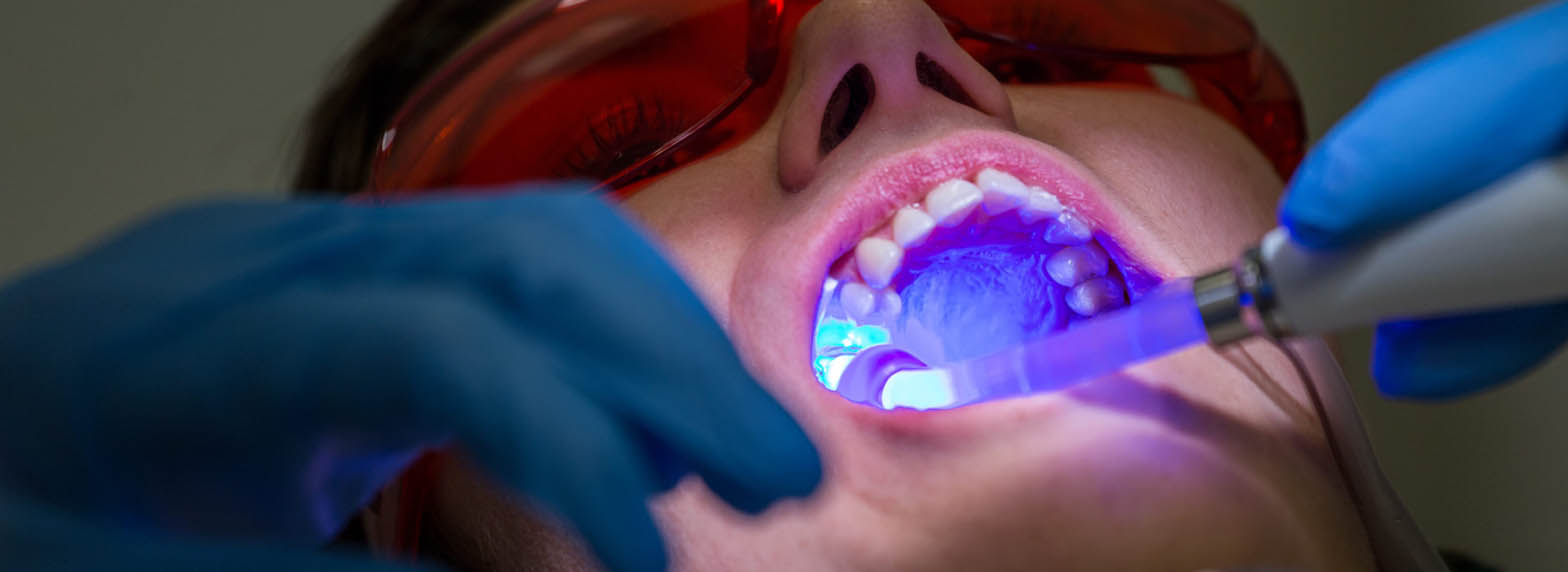
Often called “white fillings” or “tooth-colored fillings,” composite restorations use a blend of biocompatible resins and finely ground glass particles. Once set with a specialized light, this material becomes incredibly strong and durable. We can color-match composite fillings to the exact shade of your natural teeth, making them a highly aesthetic alternative to traditional silver fillings.

Composite materials actually bond directly to your natural tooth structure. This chemical bond seals and strengthens the tooth from the inside out. Because of this bonding process, we do not need to remove as much healthy tooth structure to place a composite filling. They also resist the expansion and contraction caused by hot and cold temperatures, which is a common issue with metal fillings. Over time, however, composites can stain or wear down, meaning they may eventually need replacement.

### Glass Ionomers

Glass ionomer cements are another excellent tooth-colored option. This material bonds directly to the surface of the tooth, creating a tight seal that blocks out harmful bacteria. What makes glass ionomers truly unique is their ability to slowly release fluoride over time. This continuous fluoride release actively strengthens the surrounding enamel and helps protect the tooth from future decay.

Because glass ionomers are generally less wear-resistant than composite resins, we typically use them for specific situations. They are fantastic for treating cavities in baby teeth, repairing

Dental Fillings
This Location

Frequently Asked Questions

Cavities develop because of an infectious process that causes progressive damage to tooth structure. Despite starting as a pinpoint defect on the outermost enamel layer of your tooth, untreated dental decay progressively compromises more and more healthy tooth structure as it works its way to the inner layers of your tooth.

Yes, you can still develop tooth decay on other surfaces of the tooth, around the margins of an old filling, or in fewer instances, recurrent decay underneath it. For this reason, it's essential to maintain excellent oral hygiene, a diet low in sugary beverages and sweets, and be sure to visit our office for routine checkups and care. While tooth decay is second only to the common cold in frequency, it's almost entirely preventable.

We value the time and comfort of our patients. If cavities are located on adjacent teeth, or in the same section of your smile, it may be possible to treat more than one tooth during your visit. However, how much is done each visit depends on several factors. We keep our patients well informed and tailor every treatment plan and visit to address their unique needs.

Addressing concerns on the presence of elemental mercury in silver fillings, the American Dental Association (ADA), The Center for Disease Control and Prevention (CDC), the FDA, and the World Health Organization have all stated that amalgam restorations do not pose a risk to health. However, individuals with allergies or sensitivities to the metals in dental amalgam are advised to pursue other restorative options.

Dental fillings are performed under local anesthesia to help ensure your comfort throughout the entire procedure. The involved tooth remains completely numb for the extent of your visit. Within one or two hours after the procedure is completed, the local anesthetic will gradually wear off, and normal sensations return.

A tooth-colored composite filling is fully hardened and set by the end of your visit. However, we may advise you to wait a couple of hours until the local anesthesia has completely worn off. This advice is to help ensure you don't accidentally bite your lip, cheek, or tongue while still numb.

A tooth-colored composite filling is fully hardened and set by the end of your visit. However, we may advise you to wait a couple of hours until the local anesthesia has completely worn off. This advice is to help ensure you don't accidentally bite your lip, cheek, or tongue while still numb.

The lifetime of a dental filling varies depending on the type of material used. While popular dental materials can last a decade or more with proper care, they can degrade over time, wear down, or even break. When this happens, you may experience some tooth sensitivity, a jagged edge, or a loose or dislodged piece of filling material. Whatever the case may be, it's essential to get the filling replaced before the tooth sustains further damage or other consequences arise. Beyond taking good care of your smile to help ensure the longevity of your fillings, our office regularly checks the status of your existing fillings as part of a routine checkup exam.

Dental fillings are an essential investment that serves to preserve and protect the health of your smile. With that said, how much a filling costs depends on the number of surfaces of the tooth involved and the filling material that is used. Amalgam restorations are the most economical. While tooth-colored composite fillings have a slightly higher cost, they offer the added benefits of being metal-free and much more aesthetically pleasing. Ceramic fillings, inlays, and onlays are more expensive than the preceding options but provide outstanding, long-lasting, and natural-looking results.

Dental insurances typically cover the cost of dental fillings. While we work with you to maximize your insurance benefits, there may still be an out-of-pocket expense. At the office of San Juan Dental Studio, we strive to help you begin care without any additional financial stress or delay.

Have a question about our treatments or need to book your next visit? Reaching out to our team is simple.

Our welcoming staff is here to help you set up an appointment, explore your options, and address any concerns. Choose the method that works best for you—give us a call, send an email, or use our quick online form.

Take the first step toward a healthier, brighter smile. Contact us today to experience the benefits of truly personalized dental care.

Reach Out Today