
Root Canals

A Stress-Free Guide to Root Canals

Hearing you need a dental procedure can trigger anxiety. Many folks think of severe discomfort when they hear “root canal.” But modern tools have transformed this routine treatment. Getting your tooth fixed now feels as easy as sitting for a standard cavity filling.

Instead of dreading your appointment, think of it as a fast track to relief. This treatment rescues damaged teeth and protects your natural bite. At San Juan Dental Studio, we rely on advanced technology to deliver gentle, precise results. We prioritize your comfort and keep your oral health on track.

Below, we break down how the therapy works, symptoms to monitor, and tips for a smooth recovery.

Why Preserving Your Natural Teeth Is Crucial

Therapy boasts a massive 90 percent success rate. It serves as the top method for rescuing a tooth suffering from deep decay or injury.

Retaining your original teeth supports both your bite function and overall physical health. Because of this benefit, dentists strongly suggest saving the tooth rather than extracting it. To highlight how common this is, clinics across the country complete roughly 41,000 of these treatments daily.

San Juan Dental Studio

Understanding the Source of Dental Pain

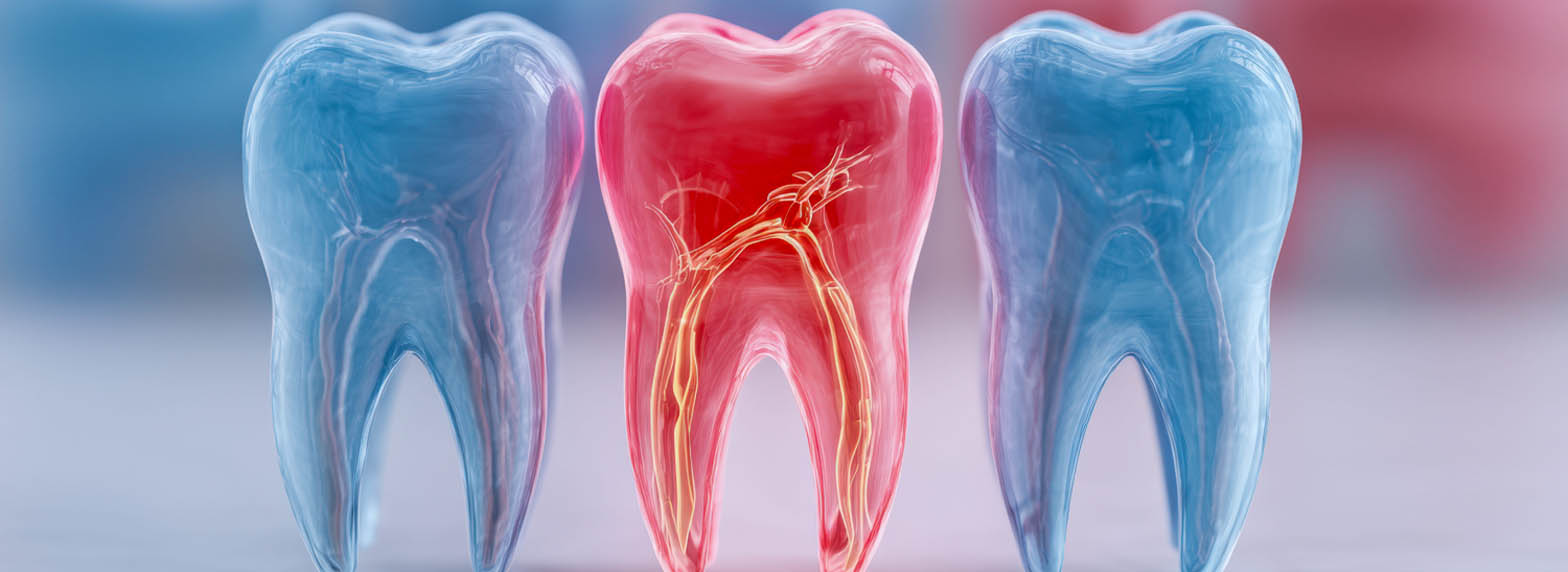
Your teeth contain more than just that hard outer shell. Deep inside sits a core chamber packed with nerves, blood vessels, and connective tissue, known as the dental pulp.

During early development, this pulp supplies vital nutrients. Once fully grown, it mostly functions as an internal alarm system. When you experience a sharp sting after biting into cold foods, those nerves are signaling an issue like decay or an emerging infection.

When this inner material suffers damage, intervention becomes necessary. Luckily, mature teeth function perfectly without their pulp. This means you get to keep the outer structure firmly in place.

Key Symptoms That Indicate You Need Help

Not every ache requires an extensive procedure. Still, specific warning signs hint that your inner tissues are failing. Keep an eye out for these indicators:

  • Relentless Aching: Your body uses discomfort to flag problems. While many factors cause mouth soreness, intense throbbing often stems from decay invading deep tissues. Patients requiring treatment often experience severe aches that disrupt their sleep.
  • Temperature Sensitivity: Reach out to a professional if hot tea or frosty treats cause you to cringe. A sharp, lingering reaction to extreme heat or cold typically signals inflamed inner tissues.
  • Discomfort When Chewing: Experiencing a sting when biting down or gently tapping the area serves as a major red flag. This sensitivity suggests deep damage or an active bacterial infection.
  • Darkening Color: A tooth turning gray or black usually indicates dying nerves and restricted blood flow. Physical blows to the mouth frequently trigger this internal tissue death, resulting in a distinct color shift.
  • Visible Chips or Fractures: Accidents that break the outer enamel can leave the delicate center exposed. If a crack destroys a significant portion of the structure, removing the pulp is frequently the only viable fix.
  • Swelling in the Gums: Puffy areas near a specific spot typically point to localized infection. Ignoring this swelling lets bacteria spread, causing broader health complications. In some cases, a draining abscess appears, demanding immediate medical attention.
  • Shifting or Looseness: The same underlying problems that harm the pulp can deteriorate your supporting jawbone. This deterioration makes the tooth wiggle. Clearing out the bacteria allows your bone and gums to heal, locking everything back into place.
San Juan Dental Studio

Why Prompt Action Makes a Difference

Even if your symptoms seem minor, secure a fast professional evaluation. In some instances, a struggling tooth displays no obvious symptoms. We frequently uncover hidden damage during standard exams when X-rays highlight root-level decay.

If we suggest intervention, act quickly. Delaying care dramatically boosts your chances of intense agony and widespread complications. Ignoring bacterial buildup harms your smile and threatens your whole body.

The Treatment Process Explained

Thanks to modern instruments and updated techniques, this procedure closely mirrors a routine filling.

We frequently complete the work in just one visit, although complex cases might take two or three sessions. Your specific timeline relies on the shape of your roots and the infection’s severity.

During your visit, the dentist extracts the diseased pulp from the

San Juan Dental Studio

Post-Root Canal Care: Your Guide to Recovery

At San Juan Dental Studio, we put your comfort and lasting oral health first. A root canal effectively saves a damaged tooth, but your at-home care plays a massive role in your recovery.

We want you to feel fully prepared as you heal. Review this guide to learn what to expect after your visit, how to handle temporary discomfort, and how to keep your treated tooth safe.

Navigating the Numbness

You will likely experience some numbness in your mouth right after you leave our clinic. This usually fades within an hour or two as the local anesthetic wears off.

Because you cannot fully feel your mouth during this time, it is easy to accidentally hurt yourself. Until normal sensation returns completely, please follow these precautions:

  • Skip eating and chewing completely.
  • Avoid hot drinks to prevent burns.
  • Do not smoke.
  • Be careful not to bite your lips, cheeks, gums, or tongue.

Managing Mild Soreness

While the root canal removes the cause of your severe toothache, your body still requires time to recover. Expect some mild to moderate soreness around the tooth once the numbness fades. This is a standard part of the healing process and usually clears up in a few days.

To ease this, we might slightly adjust the top of your treated tooth to reduce biting pressure. We will also suggest appropriate over-the-counter pain relievers or write a prescription if your specific situation calls for it.

Finishing Your Medication

We may prescribe antibiotics to clear an active infection or stop a new one from forming. Take these medicines exactly as instructed. Even if you feel great and the pain stops, you must finish the entire course to make sure the infection is gone completely.

Guarding the Treated Tooth

Right now, a temporary filling protects your tooth. The procedure alters the inside of the tooth, leaving it more fragile and prone to cracking.

You need to keep the tooth safe until we place a permanent restoration. To prevent accidental breaks:

  • Chew your food on the opposite side of your mouth.
  • Stay away from hard, sticky, or crunchy foods that might dislodge the temporary filling.
  • Pay attention to your bite and avoid putting extra stress on the treated side.

Keeping Up with Oral Hygiene

You need to treat the tooth carefully, but keeping your mouth clean is just as crucial for a smooth recovery. Keep brushing and flossing every day.

Good oral hygiene removes bacteria, helps your body heal naturally, and stops new problems from starting. Just use a lighter, gentle touch when cleaning around the temporary filling.

Getting Your Permanent Crown

Your treatment is not truly finished until we place a permanent crown or restoration. Without this final layer of protection, the remaining tooth structure is weak.

Returning for your permanent restoration quickly is vital. Once securely bonded, the crown restores the strength of your tooth so you can chew and smile with full confidence.

Your Dental Health Partners

With the right care, a root-canal-treated tooth can last a lifetime.

San Juan Dental Studio commits to giving you the best dental care possible. We are here for you throughout your recovery. If your discomfort worsens, you notice swelling, or you simply have questions about these instructions, call our office right away for prompt help.

This Location

Have a question about our treatments or need to book your next visit? Reaching out to our team is simple.

Our welcoming staff is here to help you set up an appointment, explore your options, and address any concerns. Choose the method that works best for you—give us a call, send an email, or use our quick online form.

Take the first step toward a healthier, brighter smile. Contact us today to experience the benefits of truly personalized dental care.

Reach Out Today